> For the complete documentation index, see [llms.txt](https://docs.antares.id/llms.txt). Markdown versions of documentation pages are available by appending `.md` to page URLs; this page is available as [Markdown](https://docs.antares.id/en/code-and-library-examples/http-or-subscribe-and-notify-mechanism.md).
# HTTP | Subscribe and Notify Mechanism
**Prerequisites**
1. Have NGROK software. If you don't have it yet, please go to the following [link NGROK](https://ngrok.com/download).
2. Have Node JS. If you don't have it yet, please go to the following[ link Node JS.](https://nodejs.org/en)
3. Have POSTMAN. If you don't have it yet, please go to the following[ link POSTMAN.](https://www.postman.com/downloads/)
#### Steps
1. Login to your Antares account via Antares Console [https://console.antares.id](https://console.antares.id/)
2. Create an App, if you already have one, ignore it to proceed to the next process.
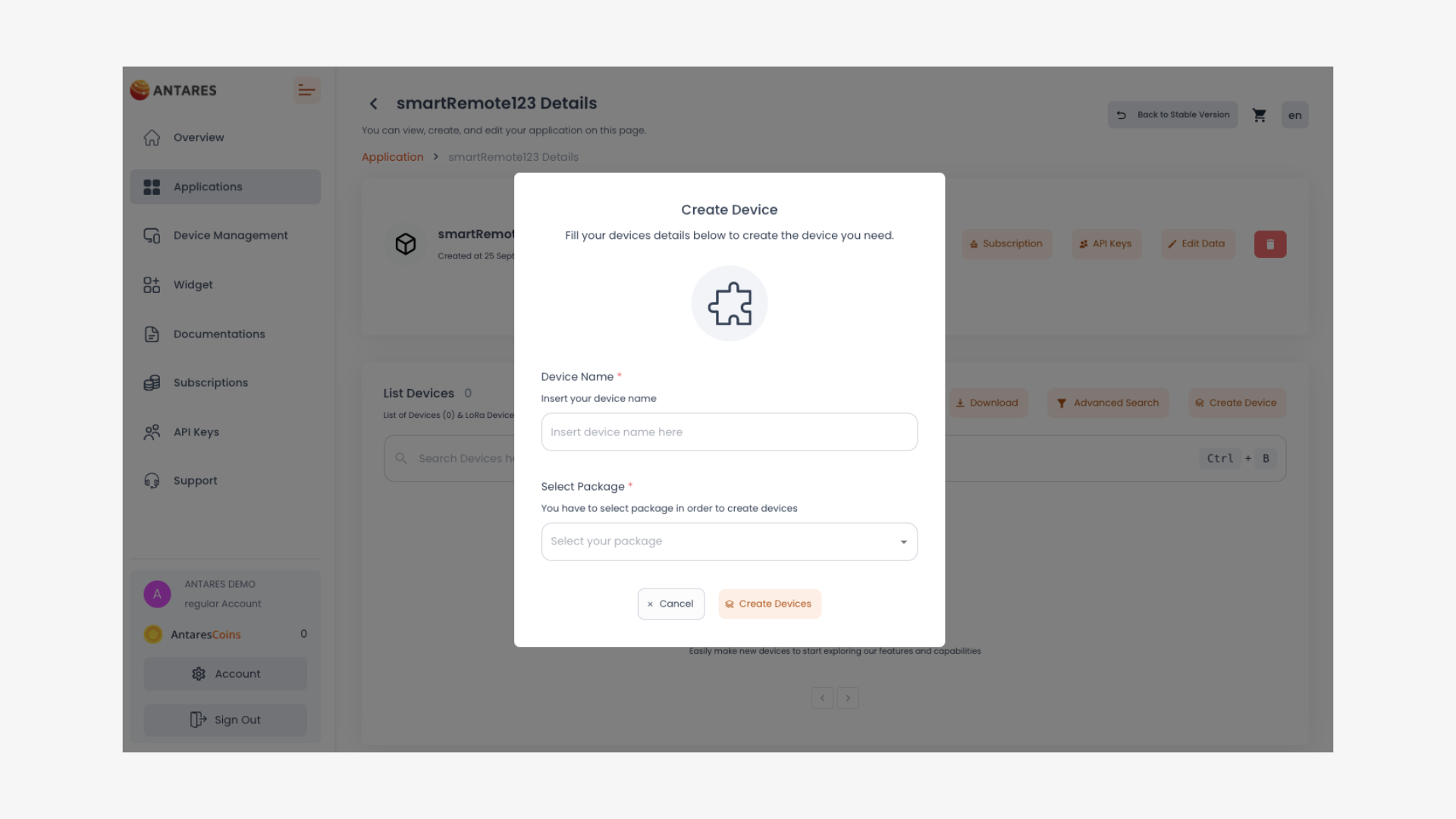
3. Create Device, if you already have one, ignore it to proceed to the next process.
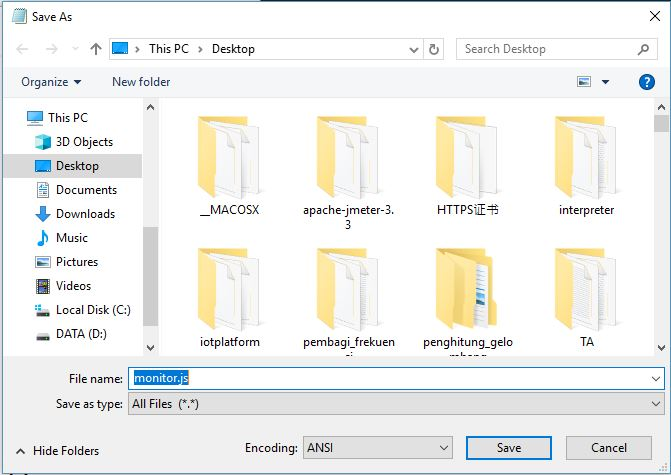
1. Start by writing the programme code to get data from ANTARES. You can use the following programme code: Copy the program code to your computer's local storage then save it in **.js extension** format. In this tutorial, we save it with monitor.js
var express = require('express');
   var app = express();
   var server = require('http').createServer(app);
   var bodyParser = require('body-parser');
   var util = require('util')

   app.use(bodyParser.json());
   app.use(bodyParser.urlencoded({ extended: false }));

   app.post('/monitor', function(req, res, next) {
     console.log(util.inspect(req.body, false, null));
     res.send('ack');
   });


   server.listen(9000, function() {
     console.log('App listening on port 9000');
   });
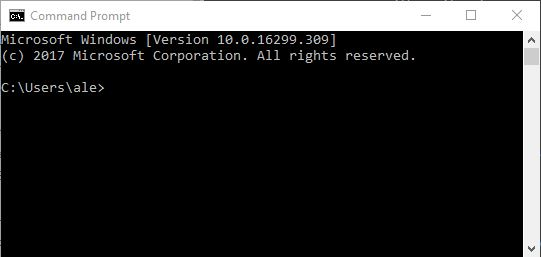
2. Open a command prompt (windows) or terminal (linux)
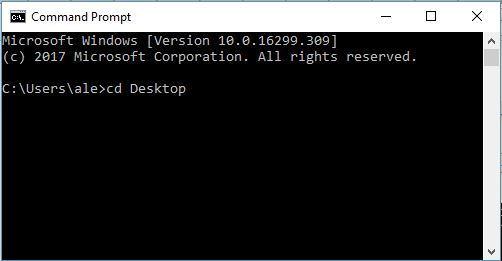
Enter the directory of the programme code file you saved earlier
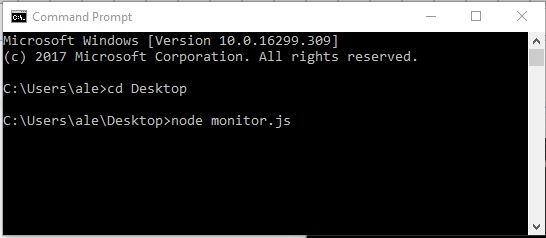
3. Run the programme code according to the image below.
The **successful programme code** can be seen as in the following image.
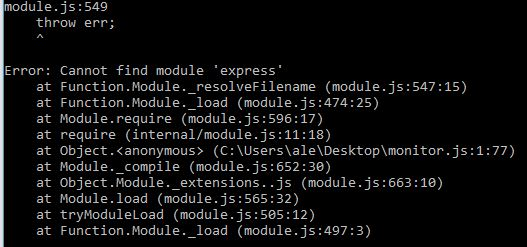
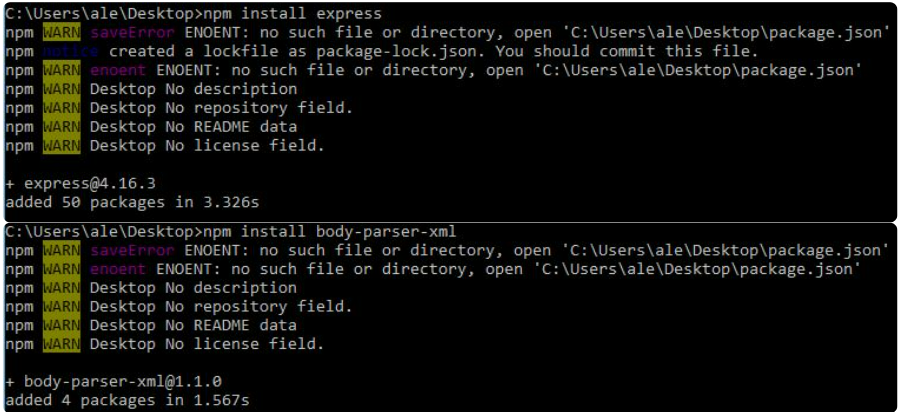
Having problems? If yes, execute the following syntax. Otherwise, **ignore this process.**
Install packages that are not yet installed.
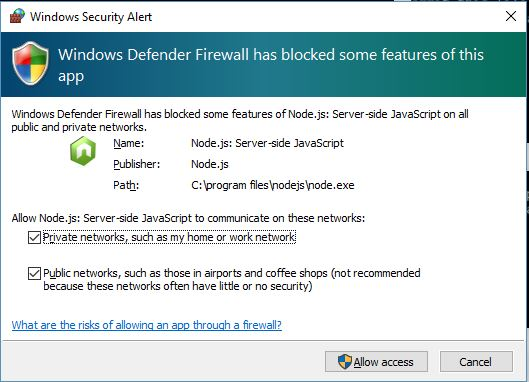
Allow Access when running the programme code.
4. Start running **NGROK. NGROK** will help you to open your localhost to the public domain. Firstly, go to the NGROK directory. **Make sure you have extracted it, so that it is in .exe file format.**
```java
cd download-path/
```
Run **NGROK** using port 9000 in the following way:
```java
ngrok.exe port 9000
```
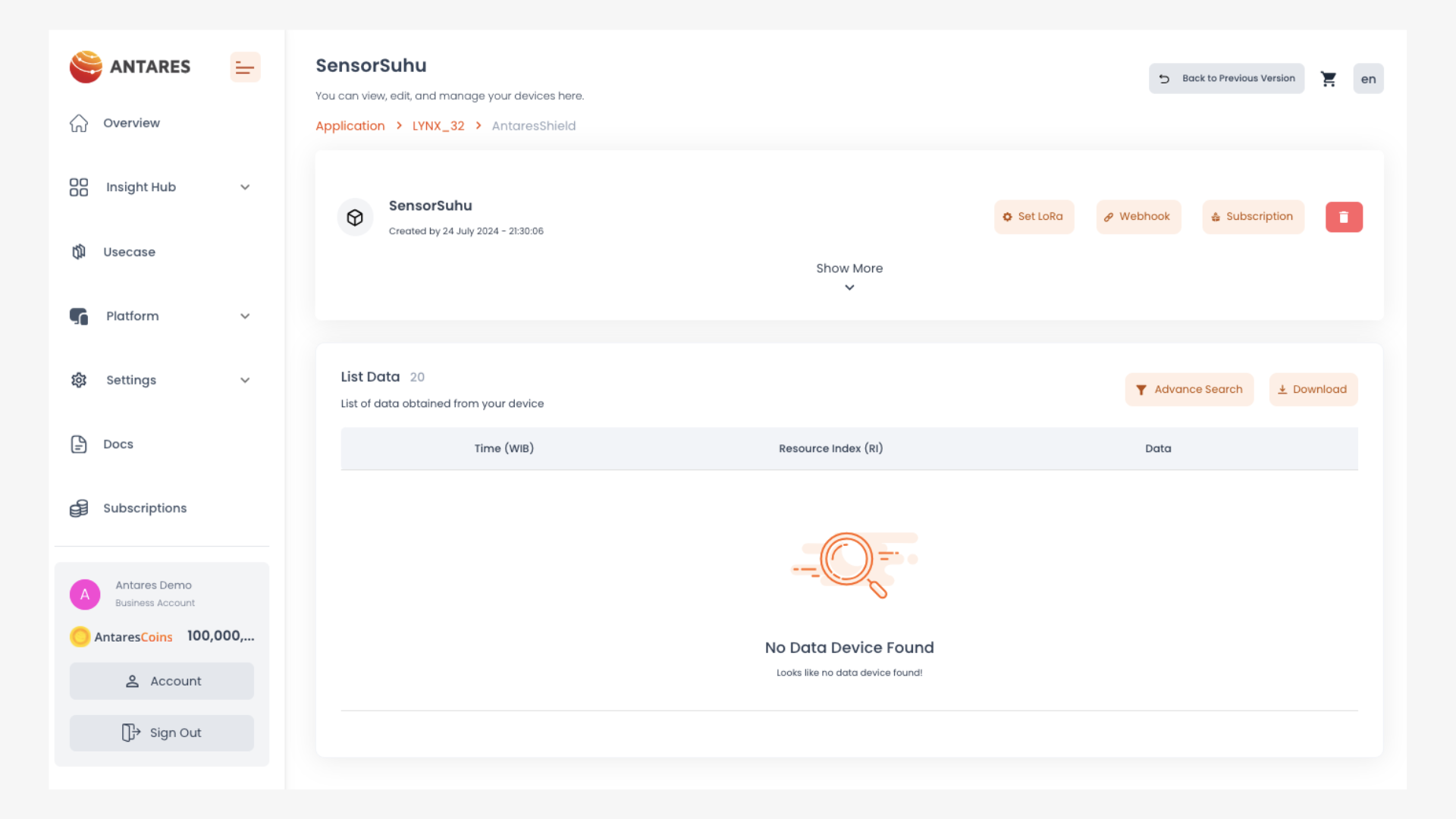
5. Open the Device that you have created earlier. Click the Subscribe button and a pop up menu will appear.
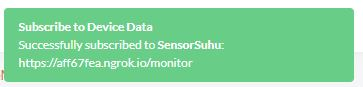
**Add /monitor** to the end of the NGROK URL as below.
When you have successfully subscribed to it, a pop up will appear.
1. Let's check if your server is getting notifications with an emulator device using POSTMAN. Please open POSTMAN, and fill in all the parameters with the following information.
Field
Value
URL
https://platform.antares.id:8443/~/antares-cse/antares-id/your-project-name/your-device-name or https://platform.antares.id:8443/~/antares-cse/your-device-ID
Note: your-device-ID must be starting with CNT. e.g. CNT-842419289
Method
POST
Let's check if your server is getting notifications with an emulator device using POSTMAN. Please open POSTMAN, and fill in all the parameters with the following information.
Field
Value
URL
https://platform.antares.id:8443/~/antares-cse/antares-id/your-project-name/your-device-name or https://platform.antares.id:8443/~/antares-cse/your-device-ID
Note: your-device-ID must be starting with CNT. e.g. CNT-842419289
Method
POST
**Header**
| | |
| ------------ | ------------------------------------------------------- |
| **Key** | Value |
| X-M2M-Origin | `your-access-key` |
| Content-Type | `application/json;ty=4` |
| Accept | `application/json` |
**Body**
```json
{
{
"m2m:cin": {
"xmlns:m2m": "http://www.onem2m.org/xml/protocols",
"cnf": "application/json",
"con": "{\"temperature\":30.3, \"humidity\":35.1}"
}
}
```
As long as you send data, your monitor server application will get the data that the server gets. The data can be seen as follows.
**Congratulations! You have just received a data notification.**